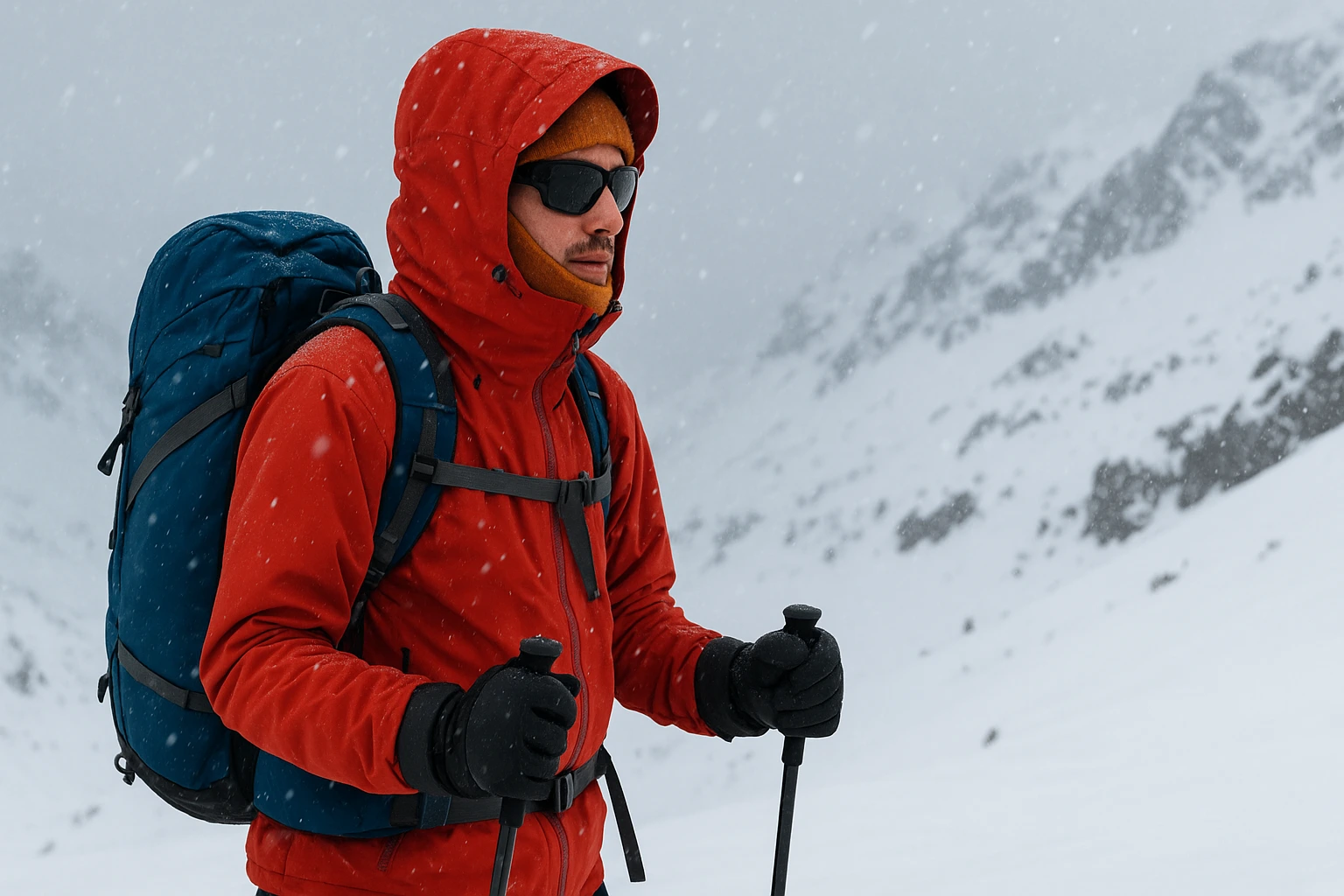
Georgia's mountain regions offer some of the most spectacular outdoor adventures in the Caucasus, but their weather conditions can change rapidly and pose significant safety challenges for unprepared visitors. Understanding weather safety in these areas is crucial for ensuring enjoyable and safe mountain experiences. This comprehensive guide provides essential information for anyone planning to explore Georgia's mountain regions, from casual hikers to experienced mountaineers.
The importance of weather preparation cannot be overstated when planning mountain adventures in Georgia. Mountain weather is notoriously unpredictable, with conditions that can change from sunny and calm to stormy and dangerous within hours. The high elevations of Georgia's mountain ranges, including the Greater Caucasus and Lesser Caucasus, create unique weather patterns that require careful planning and preparation. Understanding these patterns and preparing accordingly can mean the difference between a memorable adventure and a dangerous situation.
Seasonal weather considerations vary dramatically throughout the year, with each season presenting different challenges and opportunities for mountain activities. Spring brings melting snow and potential avalanche risks in higher elevations, while summer offers the most stable weather conditions but can bring afternoon thunderstorms. Autumn sees cooling temperatures and changing weather patterns, while winter brings snow, ice, and extreme cold that require specialized equipment and skills.
Essential weather monitoring practices include checking multiple weather sources before and during mountain trips. Official weather forecasts from the National Environment Agency provide general conditions, while specialized mountain weather services offer more detailed information for specific elevations and areas. Real-time weather monitoring during trips is essential, with attention to changing conditions that may require route adjustments or emergency responses.
Proper clothing and equipment for mountain weather should include multiple layers that can be adjusted as conditions change. Base layers should wick moisture away from the body, while insulating layers provide warmth in cold conditions. Waterproof outer layers are essential for protection against rain, snow, and wind. Footwear should be appropriate for the terrain and weather conditions, with proper traction for slippery surfaces.
Emergency preparedness for mountain weather includes carrying essential safety equipment and knowing how to use it. Emergency shelters, such as bivy sacks or emergency blankets, can provide crucial protection in unexpected weather conditions. Communication devices, including satellite phones or emergency beacons, are essential for summoning help if needed. First aid kits should be comprehensive and appropriate for the specific activities and conditions.
Route planning considerations should account for weather conditions and potential changes throughout the day. Understanding typical weather patterns for specific areas helps in planning routes that minimize exposure to dangerous conditions. Alternative routes and escape options should be identified in case weather conditions deteriorate. Timing of activities should consider typical weather patterns, such as afternoon thunderstorms in summer months.
Group safety protocols for mountain weather include establishing clear communication and decision-making procedures. Group members should understand weather-related decision points and be prepared to adjust plans based on changing conditions. Designated leaders should have the authority to make weather-related decisions, and all group members should respect these decisions for safety reasons.
Specific weather hazards in Georgian mountains include avalanches in winter and spring, lightning during summer thunderstorms, and hypothermia in cold, wet conditions. Understanding these hazards and how to avoid them is essential for safe mountain travel. Local knowledge and guidance from experienced mountain guides can provide valuable information about specific hazards in different areas.
Weather-related emergency procedures should be established before any mountain trip, including protocols for various weather emergencies. Group members should know how to respond to lightning strikes, hypothermia, and other weather-related medical emergencies. Emergency contact information should be readily available, and group members should know how to contact emergency services if needed.
Technology and weather safety in modern mountain adventures includes various tools and applications that can enhance safety. Weather apps provide real-time information and forecasts, while GPS devices help with navigation in poor visibility conditions. Satellite communication devices ensure connectivity in remote areas where traditional communication may not be available.
Local weather knowledge and cultural considerations are important for understanding weather patterns in specific mountain regions. Local guides and residents often have valuable knowledge about typical weather patterns and seasonal changes in their areas. This local knowledge can complement official weather forecasts and provide insights that may not be available through other sources.
Weather safety education and training programs are available for those who want to improve their mountain weather knowledge and skills. These programs cover weather patterns, safety procedures, and emergency response techniques. Participating in these programs can significantly improve safety and confidence in mountain environments.
The role of weather in mountain rescue operations is significant, with weather conditions often complicating rescue efforts. Understanding how weather affects rescue operations helps in making informed decisions about when to call for help and how to assist rescue teams. Weather conditions can affect helicopter operations, ground search efforts, and communication systems used in rescue operations.
Future weather trends and their impact on mountain safety are important considerations for long-term planning. Climate change is affecting weather patterns in mountain regions, potentially creating new challenges and hazards. Understanding these trends helps in adapting safety procedures and planning for future mountain adventures.
Community responsibility and weather safety includes sharing knowledge and experiences with other mountain users. Reporting weather conditions and hazards helps other visitors make informed decisions about their own trips. Participating in mountain safety organizations and supporting rescue services contributes to the overall safety of the mountain community.
The economic impact of weather on mountain tourism in Georgia is significant, with weather conditions affecting visitor numbers and activities throughout the year. Understanding these impacts helps tourism operators and visitors plan for various weather scenarios and adapt to changing conditions. Weather-related tourism planning can help maximize opportunities and minimize risks in mountain regions.