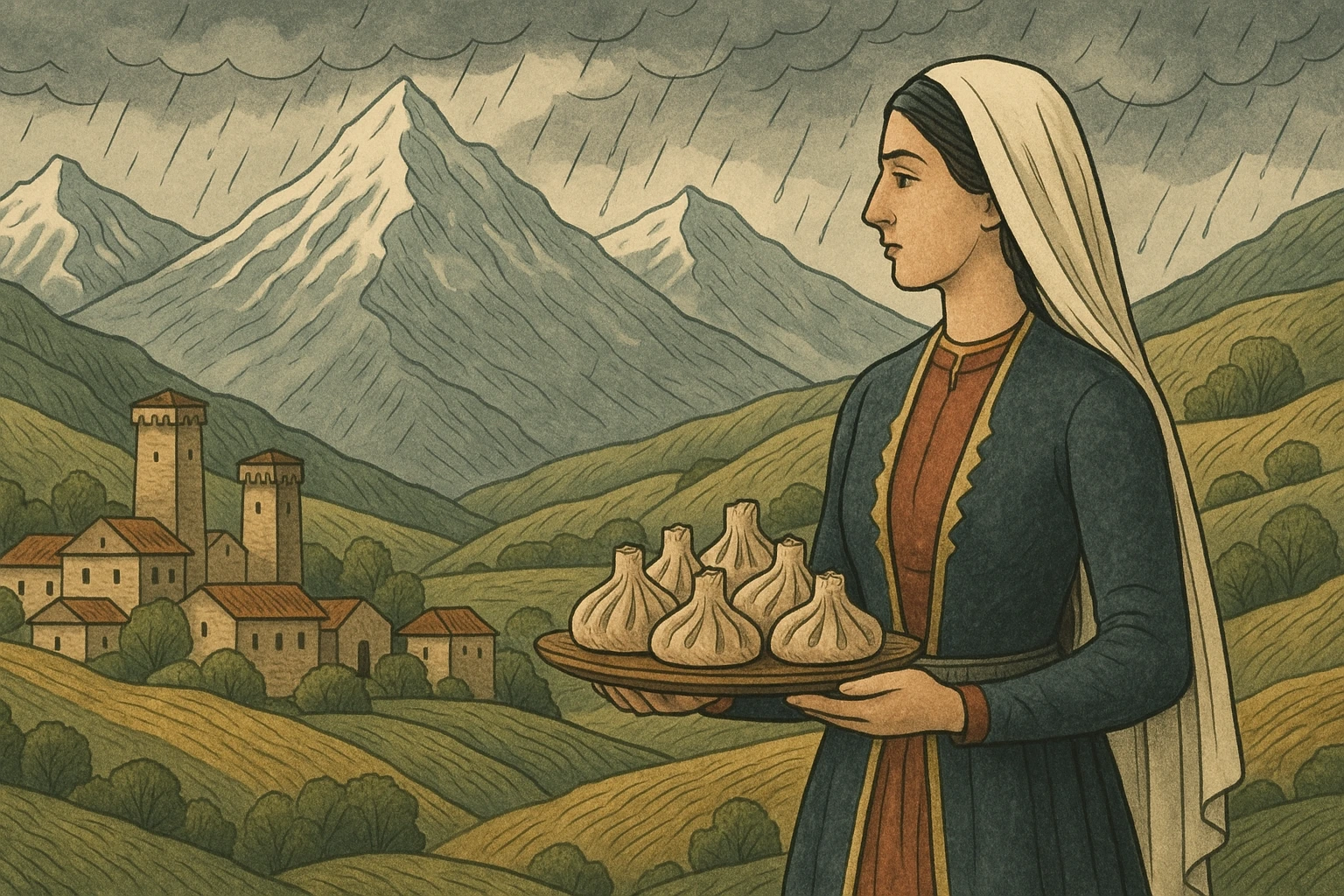
Georgia's rich cultural heritage is deeply intertwined with its weather patterns and climate conditions, with traditional practices, celebrations, and daily life reflecting centuries of adaptation to local weather challenges and opportunities. Understanding these cultural-weather relationships helps appreciate the depth and complexity of Georgian culture and the ways in which weather has shaped social practices, economic activities, and spiritual beliefs. The diverse climate zones across Georgia have created distinct cultural traditions that reflect local weather patterns and environmental conditions.
The seasonal cultural calendar in Georgia reflects the country's weather patterns and agricultural cycles, with traditional celebrations and activities timed to coincide with important weather and agricultural events. Spring festivals celebrate the renewal of life and the beginning of the agricultural season, while summer celebrations focus on growth and abundance. Autumn festivals mark the harvest and preparation for winter, while winter celebrations focus on community, warmth, and spiritual renewal.
Agricultural traditions and weather patterns include various cultural practices that have developed in response to Georgia's diverse climate and weather conditions. Traditional farming methods reflect local weather patterns and soil conditions, with different regions developing specialized agricultural practices. Weather-related agricultural rituals and celebrations mark important points in the agricultural cycle and help maintain community cohesion and cultural continuity.
Food culture and seasonal weather relationships include various ways that Georgian cuisine reflects local weather patterns and seasonal availability of ingredients. Traditional dishes often use seasonal ingredients that are available during specific weather conditions. Preservation techniques, such as drying, pickling, and fermenting, help preserve food for consumption during periods when fresh ingredients are not available. Seasonal cooking methods and techniques reflect local weather conditions and available resources.
Clothing traditions and weather adaptation include various cultural practices related to clothing and personal protection from weather conditions. Traditional clothing styles and materials reflect local weather patterns and provide protection from temperature extremes, precipitation, and wind. Seasonal clothing changes and special weather-related garments help individuals adapt to changing weather conditions throughout the year.
Housing and shelter traditions include various cultural practices related to creating comfortable living environments in different weather conditions. Traditional building techniques and materials reflect local weather patterns and provide protection from temperature extremes, precipitation, and wind. Seasonal adjustments to living spaces and special weather-related architectural features help maintain comfort and functionality throughout the year.
Transportation and mobility traditions include various cultural practices related to movement and transportation in different weather conditions. Traditional transportation methods and routes reflect local weather patterns and terrain conditions. Seasonal transportation practices and weather-related travel restrictions help ensure safety and efficiency in various weather conditions.
Spiritual and religious practices related to weather include various cultural and religious traditions that reflect the importance of weather in human life and spiritual beliefs. Weather-related prayers, rituals, and celebrations acknowledge the power and importance of natural forces. Seasonal religious observances often coincide with important weather and agricultural events, creating connections between spiritual and practical aspects of life.
Festivals and celebrations related to weather include various cultural events that celebrate or acknowledge weather patterns and their importance in human life. Weather-related festivals may celebrate seasonal changes, agricultural cycles, or natural phenomena. These celebrations help maintain cultural continuity and provide opportunities for community gathering and cultural expression.
Traditional knowledge and weather wisdom include various cultural practices and beliefs related to weather prediction and adaptation. Traditional weather forecasting methods and folk wisdom about weather patterns reflect generations of observation and experience. This traditional knowledge continues to be valued and used alongside modern weather forecasting and adaptation strategies.
Community organization and weather adaptation include various cultural practices related to community cooperation and support during weather-related challenges and opportunities. Traditional community structures and practices help communities respond effectively to weather-related challenges. Seasonal community activities and cooperative efforts help maintain social cohesion and cultural continuity.
Economic activities and weather relationships include various cultural practices related to economic activities that are influenced by weather patterns. Traditional economic activities, such as agriculture, herding, and crafts, reflect local weather conditions and seasonal patterns. Weather-related economic practices and seasonal economic activities help communities adapt to changing weather conditions and maintain economic stability.
Art and cultural expression related to weather include various forms of artistic and cultural expression that reflect weather patterns and their importance in human life. Traditional arts, crafts, and cultural practices often incorporate weather-related themes and motifs. Seasonal artistic activities and weather-related cultural expressions help maintain cultural continuity and provide opportunities for creative expression.
Language and communication related to weather include various linguistic and communication practices that reflect the importance of weather in daily life and cultural expression. Traditional weather-related vocabulary and expressions reflect local weather patterns and cultural practices. Weather-related communication practices and seasonal language patterns help maintain cultural continuity and facilitate effective communication about weather-related topics.
Education and knowledge transmission related to weather include various cultural practices related to teaching and learning about weather patterns and adaptation strategies. Traditional educational practices and knowledge transmission methods help maintain weather-related cultural knowledge and practices. Seasonal educational activities and weather-related learning opportunities help ensure that cultural knowledge and practices are preserved and transmitted to future generations.
Gender roles and weather-related activities include various cultural practices related to gender-specific roles and responsibilities in weather-related activities. Traditional gender roles in agriculture, herding, and other weather-dependent activities reflect local cultural practices and social structures. Seasonal gender-specific activities and weather-related responsibilities help maintain cultural continuity and social organization.
Age-related practices and weather adaptation include various cultural practices related to age-specific roles and responsibilities in weather-related activities. Traditional age-related practices in agriculture, crafts, and other weather-dependent activities reflect local cultural practices and social structures. Seasonal age-specific activities and weather-related responsibilities help maintain cultural continuity and intergenerational knowledge transmission.
Technology and innovation in weather-related cultural practices include various ways that modern technology is being integrated with traditional weather-related cultural practices. Modern weather forecasting and adaptation technologies are being combined with traditional knowledge and practices. New forms of cultural expression and communication are emerging that incorporate modern technology while maintaining traditional cultural values and practices.
The future of weather-related cultural practices in Georgia includes various trends and developments that may affect weather-related cultural traditions and practices. Climate change may create new challenges and opportunities for weather-related cultural adaptation. Modern technology and globalization may influence traditional weather-related cultural practices while creating new opportunities for cultural expression and preservation.
Preservation and revitalization of weather-related cultural practices includes various efforts to maintain and strengthen weather-related cultural traditions and practices. Cultural preservation programs and initiatives help maintain traditional weather-related knowledge and practices. Educational programs and cultural events help ensure that weather-related cultural traditions are preserved and transmitted to future generations.
International recognition and cultural exchange related to weather includes various ways that Georgia's weather-related cultural practices are being recognized and shared internationally. International cultural exchange programs and events help share Georgia's weather-related cultural traditions with the world. Recognition of Georgia's weather-related cultural heritage helps promote cultural tourism and international understanding.
The economic and social value of weather-related cultural practices includes various benefits that weather-related cultural traditions provide to Georgian society and economy. Cultural tourism and heritage preservation create economic opportunities and promote cultural understanding. Social cohesion and community resilience are strengthened through weather-related cultural practices and traditions. Educational and research opportunities are created through the study and preservation of weather-related cultural practices.