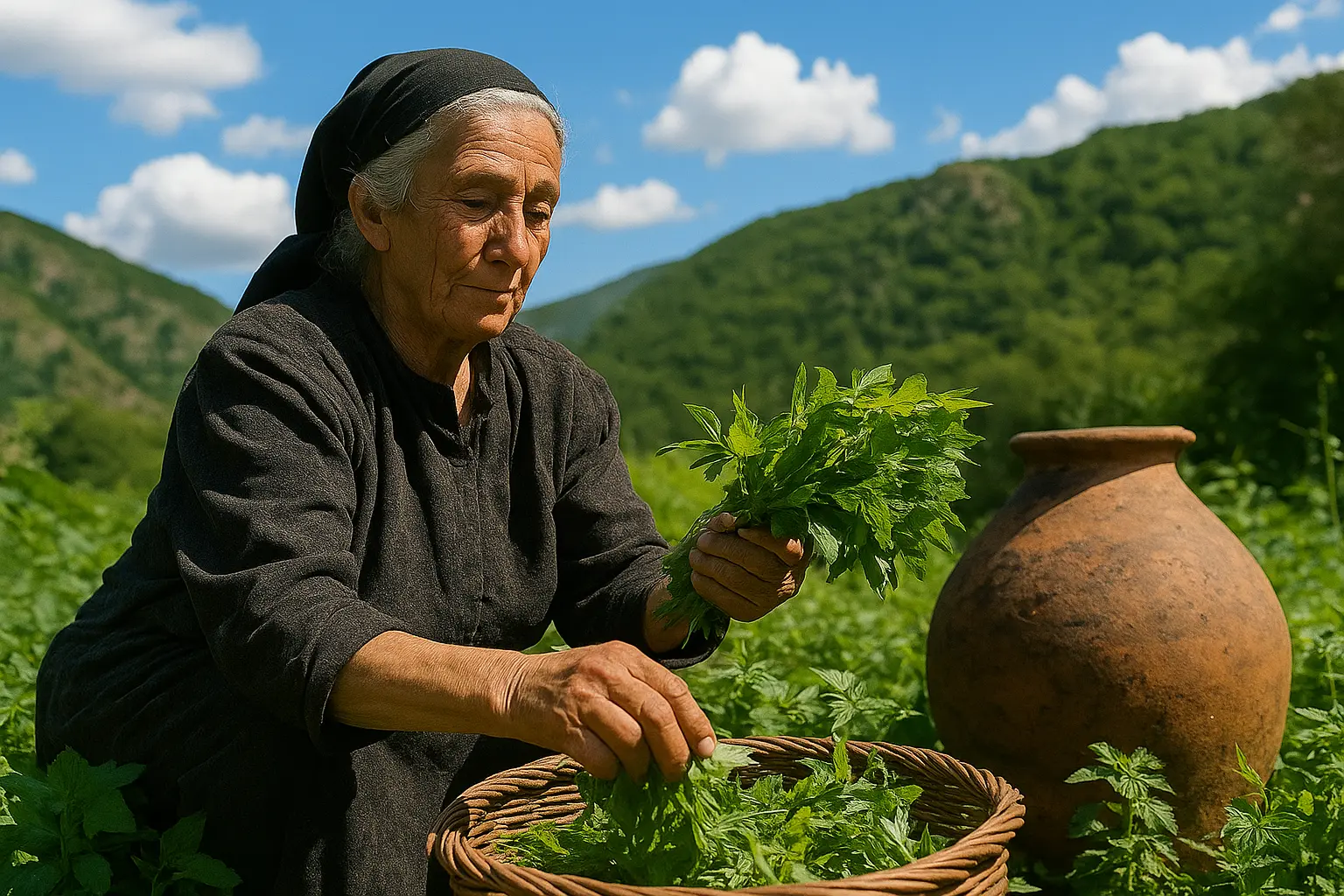
Georgian folk medicine represents one of the most comprehensive and sophisticated traditional healing systems in the Caucasus region, with practices and knowledge that have evolved over thousands of years to address the health needs of local communities. This traditional medical system combines natural remedies, spiritual practices, and empirical knowledge to create a holistic approach to health and healing that reflects Georgian cultural values and environmental conditions. The diversity of Georgia's geography and climate has provided access to a wide variety of medicinal plants and natural resources that have been used in traditional healing practices.
The foundation of Georgian folk medicine lies in the extensive knowledge of medicinal plants and their therapeutic properties that has been accumulated and transmitted through generations of healers and community members. Georgia's diverse flora, including over 4,000 species of plants, provides a rich resource for traditional medicine, with many plants having specific medicinal properties that have been recognized and utilized for centuries. Traditional healers, known as mkhareuli or khevisberi, have developed sophisticated knowledge of plant identification, preparation methods, and therapeutic applications that continue to be valued and used in contemporary Georgia.
The spiritual and ritual aspects of Georgian folk medicine represent another important dimension of this traditional healing system. Many healing practices incorporate spiritual elements, including prayers, rituals, and ceremonies that acknowledge the connection between physical health and spiritual well-being. These spiritual practices often involve the participation of religious leaders, family members, and community members, creating a supportive environment for healing and recovery. The integration of spiritual and physical healing reflects the holistic approach to health that characterizes Georgian folk medicine.
The regional variations in Georgian folk medicine reflect the country's diverse geography, climate, and cultural traditions. Different regions have developed their own distinctive approaches to healing, with variations in plant use, treatment methods, and cultural practices. Mountain regions, such as Svaneti and Tusheti, feature healing traditions that emphasize the use of high-altitude plants and cold-weather remedies. Coastal regions, such as Adjara, feature traditions that emphasize the use of coastal plants and warm-weather remedies. These regional differences help maintain local cultural identity while contributing to the overall richness and diversity of Georgian healing traditions.
The contemporary evolution of Georgian folk medicine includes various efforts to integrate traditional healing practices with modern medical approaches while maintaining cultural authenticity and effectiveness. Many contemporary healers and medical practitioners are working to combine traditional knowledge with modern scientific understanding, creating integrated approaches to health and healing that respect both traditional wisdom and modern medical advances. These efforts help ensure that Georgian folk medicine remains relevant and effective for contemporary health needs.
The preservation and transmission of Georgian folk medicine traditions has faced significant challenges in recent decades, as social and economic changes have affected traditional ways of life and knowledge transmission. However, dedicated efforts by cultural organizations, educational institutions, and community groups have helped maintain and revitalize these traditions. Many programs now focus on documenting traditional healing knowledge, training new practitioners, and promoting the continued use of traditional healing practices.
The international recognition and appreciation of Georgian folk medicine has grown significantly in recent years, with researchers, practitioners, and patients from around the world showing interest in traditional Georgian healing practices. This international interest has created opportunities for cultural exchange, research collaboration, and economic development while helping to preserve and promote traditional healing knowledge. Many international organizations and researchers are working with Georgian practitioners to study and document traditional healing practices.
The educational and research aspects of Georgian folk medicine include various programs and initiatives aimed at understanding, preserving, and promoting this important cultural tradition. Research programs study the historical development, therapeutic properties, and cultural significance of traditional healing practices. Educational programs help students learn traditional techniques and cultural context while developing appreciation for this important cultural heritage.
The economic and social value of Georgian folk medicine includes various benefits that this traditional healing system provides to Georgian society and economy. The folk medicine tradition supports local plant collection and processing, creating economic opportunities for collectors, processors, and practitioners. The production and sale of traditional medicines contributes to local economies and helps maintain traditional skills and knowledge. The cultural tourism and international trade that result from Georgian folk medicine create additional economic opportunities and promote cultural understanding.
The future of Georgian folk medicine depends on continued efforts to preserve, adapt, and promote this important cultural tradition. Educational programs, research initiatives, and international collaborations will be essential for ensuring that Georgian folk medicine continues to thrive and evolve. The commitment of practitioners, researchers, and cultural organizations to maintaining and developing this tradition will be crucial for its long-term survival and success.