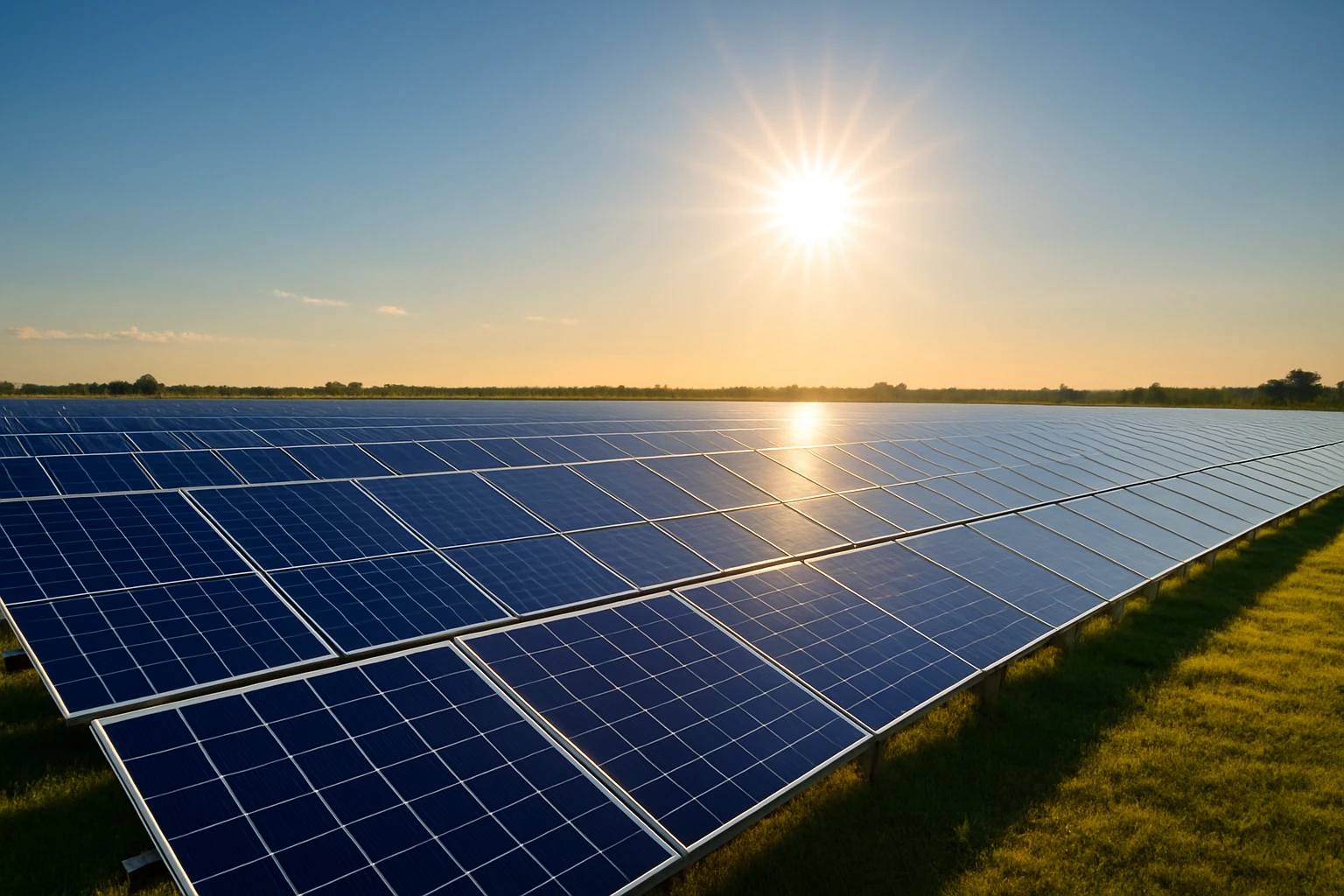
Georgia's solar energy sector has achieved record electricity generation levels during the recent period of clear, sunny weather, marking a significant milestone in the country's transition toward renewable energy sources. Solar power plants across the country have been operating at peak efficiency, contributing significantly to the national energy grid and demonstrating the potential for solar energy to play a major role in Georgia's energy future. The increased production has been particularly impressive given the relatively recent development of solar energy infrastructure in the country.
The increased solar production is attributed to several favorable factors that have created optimal conditions for solar energy generation. Extended periods of clear skies have provided consistent sunlight for solar panels, maximizing their energy production potential. Reduced cloud cover across most regions has allowed solar panels to operate at their highest efficiency levels, with minimal interference from weather conditions. The cool temperatures during sunny periods have been particularly beneficial for solar panel performance, as solar panels operate more efficiently at lower temperatures.
Improved solar panel technology and maintenance practices have also contributed to the increased production. Modern solar panels have higher conversion efficiencies and better durability than older models, allowing them to generate more electricity from the same amount of sunlight. Regular maintenance and cleaning of solar panels have ensured that they operate at optimal efficiency levels, with minimal losses due to dirt, dust, or other environmental factors. Strategic placement of solar installations has also played a role, with panels positioned to maximize sun exposure throughout the day.
Key achievements in solar energy production include a 25% increase in solar energy production compared to last year, representing significant growth in the sector's contribution to the national energy mix. Solar power is now contributing 8% of total electricity generation, a substantial increase from previous years and a clear indication of the technology's growing importance. This increased solar production has reduced reliance on fossil fuel power plants, contributing to lower carbon emissions and improved environmental sustainability. The reduced demand for fossil fuels has also led to lower electricity costs for consumers, as solar energy has lower operational costs than traditional power generation methods.
The success of solar energy production has prompted discussions about expanding solar infrastructure throughout Georgia. The Ministry of Energy has announced ambitious plans to increase solar capacity by 50% over the next three years, representing a significant investment in renewable energy infrastructure. These plans include the development of large-scale solar farms, as well as support for smaller distributed solar installations. The government is also considering providing incentives for residential solar installations, which could help individual homeowners reduce their energy costs while contributing to the national renewable energy goals.
Development of solar energy storage solutions is another important aspect of the solar energy expansion plans. Energy storage is crucial for addressing the intermittent nature of solar energy production and ensuring reliable electricity supply during periods of low sunlight. Battery storage systems and other energy storage technologies are being evaluated for their potential to improve the reliability and efficiency of solar energy systems. These storage solutions could also help integrate solar energy more effectively with the existing electrical grid.
Improving grid integration capabilities is essential for maximizing the benefits of increased solar energy production. The electrical grid must be able to handle the variable nature of solar energy production and distribute electricity efficiently to where it is needed. Grid modernization projects are being planned to improve the system's ability to integrate renewable energy sources and provide reliable electricity service to all consumers. These improvements will be particularly important as solar energy continues to grow as a percentage of total electricity generation.
Environmental groups have praised the increased use of renewable energy, noting its contribution to Georgia's climate change mitigation efforts. The reduction in fossil fuel consumption associated with increased solar energy production has helped reduce greenhouse gas emissions and improve air quality. These environmental benefits align with Georgia's international commitments to reduce carbon emissions and transition to more sustainable energy systems. The success of solar energy has also raised awareness about renewable energy options among the general public, encouraging broader adoption of clean energy technologies.
The government has set ambitious targets for renewable energy adoption in the coming years, with solar energy expected to play a major role in achieving these goals. These targets include specific goals for renewable energy as a percentage of total electricity generation, as well as targets for reducing carbon emissions from the energy sector. The success of current solar energy projects provides a strong foundation for achieving these targets and demonstrates the feasibility of large-scale renewable energy adoption in Georgia.
Experts predict that solar energy will play an increasingly important role in Georgia's energy mix, especially during the summer months when solar conditions are optimal. The combination of abundant sunlight, improving technology, and supportive government policies creates favorable conditions for continued growth in the solar energy sector. This growth is expected to provide economic benefits through job creation, reduced energy costs, and improved energy security, while also contributing to environmental sustainability and climate change mitigation efforts.