Georgia's agricultural sector is experiencing significant challenges and opportunities due to changing weather patterns that are affecting traditional farming practices and crop production throughout the country. Understanding these changes is crucial for farmers, agricultural planners, and anyone interested in Georgia's food security and rural economy. The complex relationship between weather and agriculture in Georgia's diverse climate zones creates unique challenges and opportunities for adaptation and innovation.
The historical relationship between weather and agriculture in Georgia spans thousands of years, with traditional farming practices developed in response to local climate conditions. Different regions of Georgia have specialized in crops and farming methods that are suited to their specific weather patterns, creating a diverse agricultural landscape that reflects the country's geographical and climatic diversity. This traditional knowledge has been passed down through generations, but changing weather patterns are requiring farmers to adapt and modify these practices.
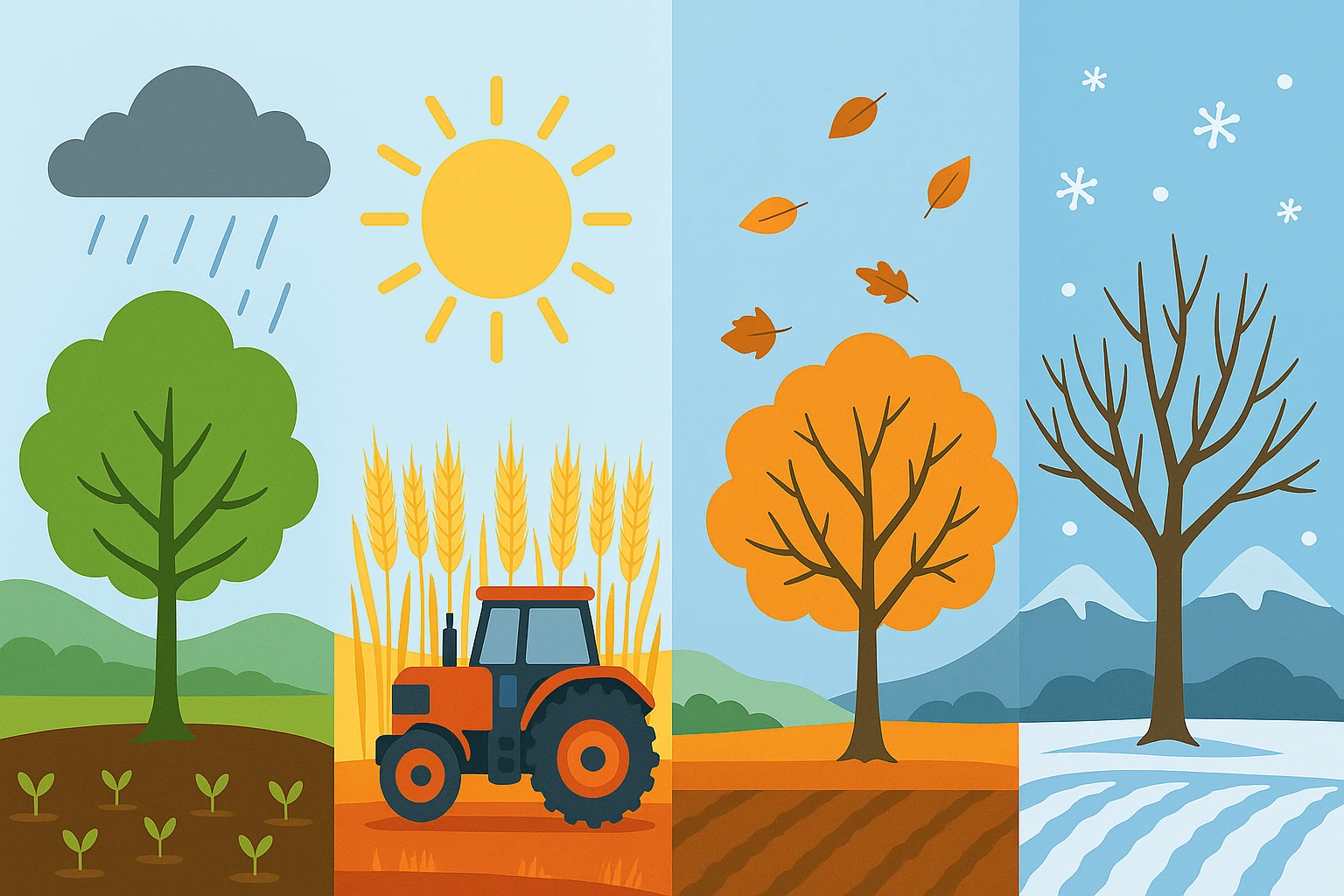
Spring weather patterns and their agricultural implications include the timing of planting, crop selection, and management practices that are crucial for successful crop production. Early spring weather affects the timing of various agricultural activities, with farmers needing to adjust their schedules based on changing weather conditions. The timing of last frost dates is particularly important for many crops, with earlier springs potentially allowing for longer growing seasons but also creating risks of late frost damage.
Summer weather conditions and crop management challenges include heat stress, drought conditions, and water management issues that affect crop growth and yield. High temperatures during summer months can stress crops and reduce yields, particularly for crops that are not well-adapted to heat conditions. Drought conditions in eastern Georgia can significantly impact crop production, requiring irrigation systems and water management strategies to maintain crop health and productivity.
Autumn weather patterns and harvest considerations include the timing of harvest activities, crop storage, and preparation for winter months. Weather conditions during harvest season can significantly affect crop quality and storage potential, with wet conditions potentially damaging crops and dry conditions potentially improving storage characteristics. The timing of autumn weather changes affects the preparation of fields for winter and the planning of next year's crops.
Winter weather and its impact on agricultural planning includes the effects of cold temperatures, snow cover, and winter precipitation on soil health and crop preparation. Winter weather conditions affect soil moisture levels, nutrient availability, and the survival of perennial crops and livestock. Snow cover can provide important moisture for spring crops while also protecting soil from erosion and temperature extremes.
Climate change impacts on Georgian agriculture are becoming increasingly apparent, with farmers reporting changes in weather patterns that affect their traditional practices. Rising temperatures are affecting crop growth cycles, with some crops maturing earlier while others may struggle with heat stress. Changing precipitation patterns are affecting water availability and soil moisture levels, requiring adjustments in irrigation and water management practices.
Adaptation strategies for changing weather patterns include various approaches that farmers are implementing to address weather-related challenges. Crop diversification is becoming increasingly important, with farmers planting a wider variety of crops to reduce risks associated with weather-related crop failures. Improved irrigation systems are being implemented in areas where water availability is becoming more variable.
Technology and innovation in weather-responsive agriculture includes various tools and techniques that help farmers adapt to changing weather conditions. Weather monitoring systems provide real-time information about local conditions, helping farmers make informed decisions about planting, irrigation, and harvest timing. Precision agriculture techniques use technology to optimize resource use and improve crop yields under various weather conditions.
Water management and irrigation strategies are becoming increasingly important as weather patterns change and water availability becomes more variable. Efficient irrigation systems help farmers optimize water use and maintain crop productivity during dry periods. Water storage and management systems help capture and store water during wet periods for use during dry periods.
Crop insurance and risk management for weather-related losses are important tools for protecting farmers against weather-related crop failures and financial losses. Insurance programs can provide financial protection against various weather-related risks, including drought, flood, and extreme temperature events. Risk management strategies help farmers plan for and respond to weather-related challenges.
Research and development in weather-adaptive agriculture includes various programs and initiatives aimed at developing crops and farming practices that are better adapted to changing weather conditions. Breeding programs are developing crop varieties that are more resistant to heat, drought, and other weather-related stresses. Research programs are studying the effects of weather patterns on crop growth and developing management strategies to optimize production under various conditions.
Government support and policy responses to weather-related agricultural challenges include various programs and initiatives aimed at helping farmers adapt to changing weather patterns. Financial support programs help farmers implement adaptation measures and recover from weather-related losses. Technical assistance programs provide farmers with information and training on weather-adaptive farming practices.
International collaboration and knowledge sharing in weather-adaptive agriculture includes various programs and partnerships that help Georgia's agricultural sector benefit from international experience and expertise. Research partnerships with international organizations help develop and test new crops and farming practices. Knowledge exchange programs help Georgian farmers learn from experiences in other countries with similar climate challenges.
The future of weather-adaptive agriculture in Georgia includes various trends and developments that are likely to shape the sector in coming years. Continued climate change is expected to create additional challenges and opportunities for adaptation. Technological advances are likely to provide new tools and techniques for weather-responsive farming. Policy developments are expected to provide additional support for adaptation efforts.
Community and cultural aspects of weather-adaptive agriculture include the social and cultural dimensions of adapting farming practices to changing weather patterns. Traditional knowledge and practices continue to play important roles in adaptation efforts, while new knowledge and practices are being integrated with traditional approaches. Community-based adaptation strategies help ensure that adaptation efforts are appropriate for local conditions and needs.
The economic implications of weather-adaptive agriculture include various costs and benefits associated with adapting farming practices to changing weather patterns. Initial costs of adaptation measures can be significant, but long-term benefits often outweigh these costs. Economic analysis helps farmers and policymakers understand the costs and benefits of various adaptation strategies.