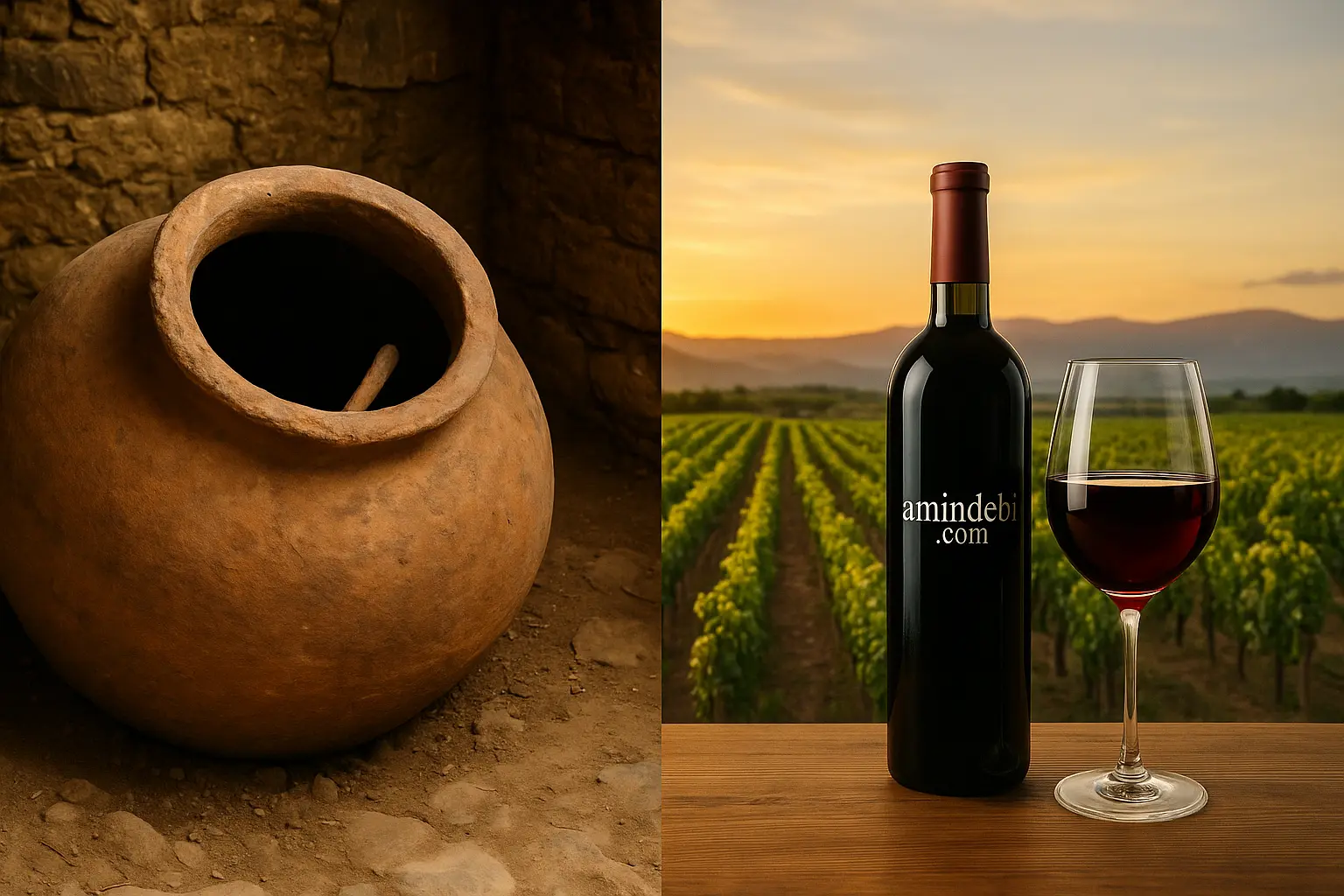
Georgian wine represents one of the most ancient and sophisticated wine traditions in the world, with archaeological evidence suggesting that wine production in Georgia began over 8,000 years ago, making it the birthplace of viticulture. This remarkable heritage, combined with unique traditional methods and modern innovations, has positioned Georgia as one of the most exciting and important wine-producing countries in the contemporary global wine industry. The combination of ancient traditions, diverse grape varieties, and innovative approaches to winemaking creates a unique wine culture that continues to captivate wine enthusiasts and professionals worldwide.
The foundation of Georgian wine culture lies in the traditional qvevri method, an ancient winemaking technique that has been practiced in Georgia for thousands of years and has recently gained international recognition as a UNESCO Intangible Cultural Heritage. Qvevri are large clay vessels, typically egg-shaped and ranging in size from 100 to 3,000 liters, that are buried underground and used for fermenting and aging wine. This traditional method, which involves fermenting grapes with their skins, stems, and seeds in the qvevri, creates wines with distinctive characteristics including amber colors, complex flavors, and unique textures that are unlike any other wines in the world.
The diversity of Georgian grape varieties is one of the country's most important viticultural assets, with over 500 indigenous varieties that have evolved over thousands of years to adapt to Georgia's diverse climate and soil conditions. Among the most important red varieties are Saperavi, known for its deep color and robust tannins, and Tavkveri, which produces lighter, more aromatic wines. Important white varieties include Rkatsiteli, which produces crisp, mineral-driven wines, and Mtsvane, which creates aromatic, complex wines with aging potential. These indigenous varieties, many of which are found nowhere else in the world, represent a living genetic library of viticultural heritage and provide the foundation for Georgia's unique wine culture.
The regional diversity of Georgian wine production reflects the country's varied geography and climate, with different regions developing distinctive wine styles and traditions. Kakheti, in eastern Georgia, is the country's most important wine region, known for its powerful, full-bodied red wines and complex white wines made using traditional qvevri methods. Imereti, in western Georgia, produces lighter, more aromatic wines that reflect the region's cooler climate and higher rainfall. Kartli, in central Georgia, is known for its sparkling wines and traditional method wines, while the mountain regions of Racha and Svaneti produce distinctive high-altitude wines with unique characteristics.
The contemporary evolution of Georgian wine includes various efforts to combine traditional methods with modern winemaking techniques and international market demands. Many Georgian winemakers are successfully blending ancient traditions with contemporary approaches, creating wines that respect traditional methods while appealing to modern consumers. This includes the use of modern winemaking equipment alongside traditional qvevri, the development of new wine styles that combine traditional and modern techniques, and the adoption of international quality standards while maintaining traditional character and authenticity.
The international recognition and success of Georgian wines has grown significantly in recent years, with Georgian wines gaining recognition in international competitions and establishing a presence in global markets. Georgian wines are increasingly being featured in prestigious wine publications, international wine competitions, and fine dining establishments around the world. This international success has helped raise awareness of Georgia's wine heritage and created opportunities for cultural exchange and economic development.
The economic importance of Georgian wine extends far beyond the immediate wine industry, supporting various sectors of the Georgian economy including agriculture, tourism, and cultural heritage. The wine industry provides employment for thousands of people in grape growing, winemaking, tourism, and related services. Wine tourism has become an important part of Georgia's tourism industry, with visitors from around the world coming to experience Georgia's wine culture and traditions. The export of Georgian wines contributes significantly to the country's economy and helps promote Georgia's cultural heritage internationally.
The cultural and social significance of wine in Georgian society is profound, with wine playing a central role in religious ceremonies, social gatherings, and cultural traditions. Wine is an essential element of the traditional Georgian feast, or supra, where it is consumed according to elaborate rituals and traditions that reflect Georgian values of hospitality, community, and cultural expression. The role of the tamada, or toastmaster, in Georgian wine culture represents a unique tradition that combines wine consumption with cultural expression and social organization.
The environmental and sustainability aspects of Georgian wine production reflect traditional practices that have evolved over thousands of years to work harmoniously with local ecosystems. Traditional Georgian viticulture emphasizes organic practices, biodiversity, and sustainable land management that have helped maintain the health and productivity of Georgia's wine regions for generations. Many contemporary Georgian winemakers are building on these traditional practices to develop modern approaches to sustainable viticulture and winemaking.
The educational and research aspects of Georgian wine include various programs and initiatives aimed at understanding, preserving, and developing Georgia's wine heritage. Research programs study the historical development, genetic diversity, and cultural significance of Georgian wine traditions. Educational programs help train new generations of winemakers and wine professionals while preserving traditional knowledge and techniques. International collaborations help share Georgian wine knowledge and traditions with the global wine community.
The future of Georgian wine depends on continued efforts to preserve traditional methods and cultural significance while adapting to changing market conditions and consumer preferences. The balance between tradition and innovation, authenticity and accessibility, will be crucial for the long-term success and cultural relevance of Georgian wine. The commitment of winemakers, researchers, and cultural organizations to maintaining and developing Georgia's wine heritage will be essential for ensuring that this important cultural tradition continues to thrive and evolve.
The role of Georgian wine in promoting Georgian culture and tourism cannot be overstated, as wine serves as an accessible and appealing introduction to Georgian culture for international visitors. The popularity of Georgian wine among international consumers helps promote Georgia's cultural heritage and creates opportunities for cultural exchange and understanding. Wine tourism provides visitors with opportunities to experience Georgian culture, history, and hospitality while learning about Georgia's unique wine traditions.
The community and social aspects of Georgian wine production and consumption reflect the important role that wine plays in Georgian social life and cultural identity. The traditional methods of wine production often involve entire communities, with families and neighbors working together during harvest and winemaking seasons. The sharing of wine during meals and celebrations reinforces community bonds and cultural values, while the traditional rituals and customs associated with wine consumption reflect the importance of tradition and cultural continuity in Georgian society.