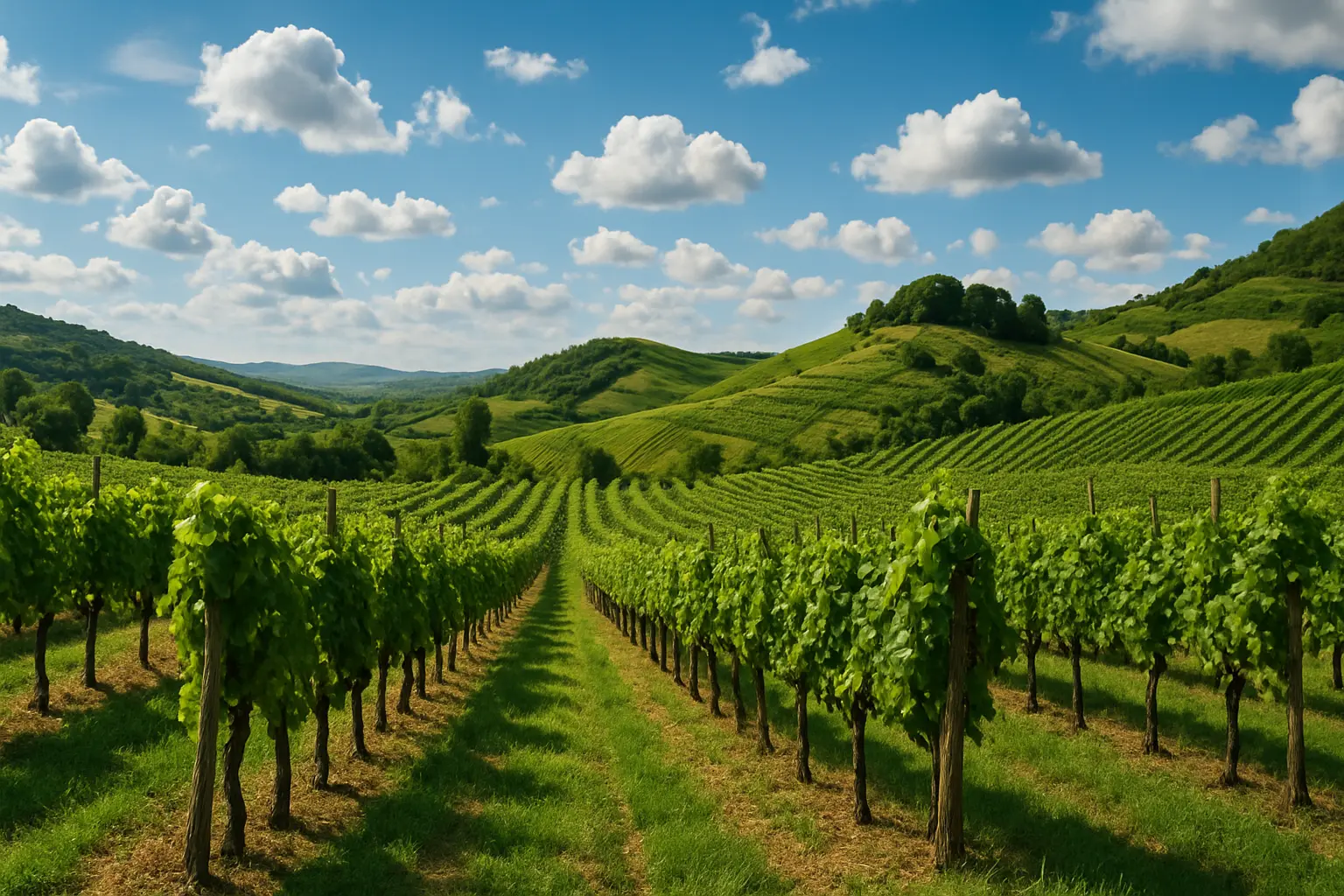
Georgia's reputation as one of the world's oldest wine-producing regions is deeply intertwined with its unique weather patterns and climate conditions that create ideal environments for viticulture. The country's diverse geography, ranging from coastal areas to mountain valleys, provides a variety of microclimates that support different grape varieties and wine styles. Understanding the relationship between weather and wine production in Georgia helps appreciate the complexity and quality of Georgian wines.
The historical significance of Georgian wine production spans over 8,000 years, with archaeological evidence showing that Georgia was one of the first regions in the world to cultivate grapes and produce wine. This long history has allowed Georgian winemakers to develop deep knowledge of how weather patterns affect grape growth and wine quality. Traditional winemaking methods, including the use of qvevri (clay vessels buried underground), have evolved in response to local weather conditions and continue to be used alongside modern techniques.
Kakheti region, Georgia's premier wine-producing area, benefits from a unique combination of weather factors that create ideal conditions for viticulture. The region experiences hot, dry summers with temperatures often exceeding 30°C, which helps grapes develop full ripeness and concentrated flavors. The significant temperature variations between day and night during the growing season help grapes maintain acidity while developing sugar content, creating balanced wines with complex flavor profiles.
Spring weather patterns in Kakheti are crucial for successful grape production, with the timing of bud break and flowering directly affecting the quality and quantity of the harvest. Early spring weather determines when grapevines begin their growth cycle, with warmer temperatures encouraging earlier bud break. However, late frost events can damage young shoots and reduce yields, making spring weather monitoring essential for vineyard management.
Summer weather conditions in wine regions significantly impact grape development and wine quality. The hot, dry conditions in eastern Georgia help grapes develop concentrated flavors and achieve optimal ripeness levels. The lack of excessive rainfall during summer months reduces the risk of fungal diseases and allows grapes to develop clean, healthy fruit. The long hours of sunshine provide the energy needed for photosynthesis and sugar development in grapes.
Autumn weather patterns are critical for harvest timing and wine quality, with winemakers carefully monitoring weather conditions to determine the optimal harvest date. The cooling temperatures of autumn help grapes maintain acidity while continuing to develop flavor complexity. Dry autumn conditions are ideal for harvest, as they reduce the risk of disease and allow for optimal grape quality. The timing of autumn rains can significantly affect harvest decisions and wine quality.
Winter weather and its impact on viticulture includes the effects of cold temperatures on grapevines and soil conditions. Cold winter temperatures help grapevines enter dormancy and prepare for the next growing season. Snow cover provides important moisture for spring growth while protecting soil from erosion. However, extreme cold events can damage grapevines and reduce yields in the following season.
Climate change impacts on Georgian viticulture are becoming increasingly apparent, with winemakers observing changes in weather patterns that affect traditional practices. Rising temperatures are affecting grape ripening patterns, with some varieties ripening earlier than in the past. Changing precipitation patterns are affecting water availability and soil moisture levels, requiring adjustments in vineyard management practices.
Adaptation strategies for changing weather patterns include various approaches that winemakers are implementing to address weather-related challenges. Vineyard management practices are being adjusted to account for changing weather patterns, including modified pruning techniques and irrigation strategies. Some winemakers are experimenting with new grape varieties that may be better suited to changing climate conditions.
Technology and innovation in weather-responsive viticulture includes various tools and techniques that help winemakers adapt to changing weather conditions. Weather monitoring systems provide real-time information about local conditions, helping winemakers make informed decisions about vineyard management and harvest timing. Precision viticulture techniques use technology to optimize resource use and improve grape quality under various weather conditions.
Water management and irrigation strategies are becoming increasingly important as weather patterns change and water availability becomes more variable. Efficient irrigation systems help winemakers optimize water use and maintain grape quality during dry periods. Water storage and management systems help capture and store water during wet periods for use during dry periods.
The impact of weather on wine quality and characteristics includes various ways that weather conditions affect the final product. Temperature patterns during the growing season affect sugar content, acidity, and flavor development in grapes. Rainfall patterns affect grape health and disease pressure, while sunshine hours affect color development and phenolic compounds. These weather factors combine to create the unique characteristics of each vintage.
Vintage variation and weather patterns include the natural variations in wine quality and characteristics that occur from year to year due to weather differences. Each growing season brings unique weather conditions that affect grape development and wine quality. Understanding these variations helps winemakers and consumers appreciate the unique characteristics of each vintage.
Sustainable viticulture and weather adaptation includes various practices that help winemakers maintain environmental sustainability while adapting to changing weather patterns. Organic and biodynamic farming practices help maintain soil health and reduce environmental impacts. Water conservation practices help optimize water use and maintain vineyard sustainability.
The economic impact of weather on Georgian wine production includes various effects on the wine industry and broader economy. Weather-related variations in grape quality and yields affect wine production and pricing. The wine industry contributes significantly to Georgia's economy through exports, tourism, and employment. Weather-related challenges and opportunities affect the economic viability of wine production.
International recognition and weather-related quality factors include the growing international appreciation of Georgian wines and the role of weather in creating quality characteristics. Georgian wines are gaining recognition in international markets for their unique characteristics and quality. Weather patterns that create these characteristics are becoming better understood and appreciated by international wine experts and consumers.
The future of Georgian viticulture and weather adaptation includes various trends and developments that are likely to shape the wine industry in coming years. Continued climate change is expected to create additional challenges and opportunities for adaptation. Technological advances are likely to provide new tools and techniques for weather-responsive viticulture. International market developments are expected to create new opportunities for Georgian wine exports.
Community and cultural aspects of weather-adaptive viticulture include the social and cultural dimensions of adapting wine production to changing weather patterns. Traditional knowledge and practices continue to play important roles in adaptation efforts, while new knowledge and practices are being integrated with traditional approaches. Community-based adaptation strategies help ensure that adaptation efforts are appropriate for local conditions and needs.
The educational and research aspects of weather and viticulture include various programs and initiatives aimed at understanding and improving the relationship between weather and wine production. Research programs study the effects of weather patterns on grape growth and wine quality. Educational programs help winemakers understand and respond to weather-related challenges and opportunities.