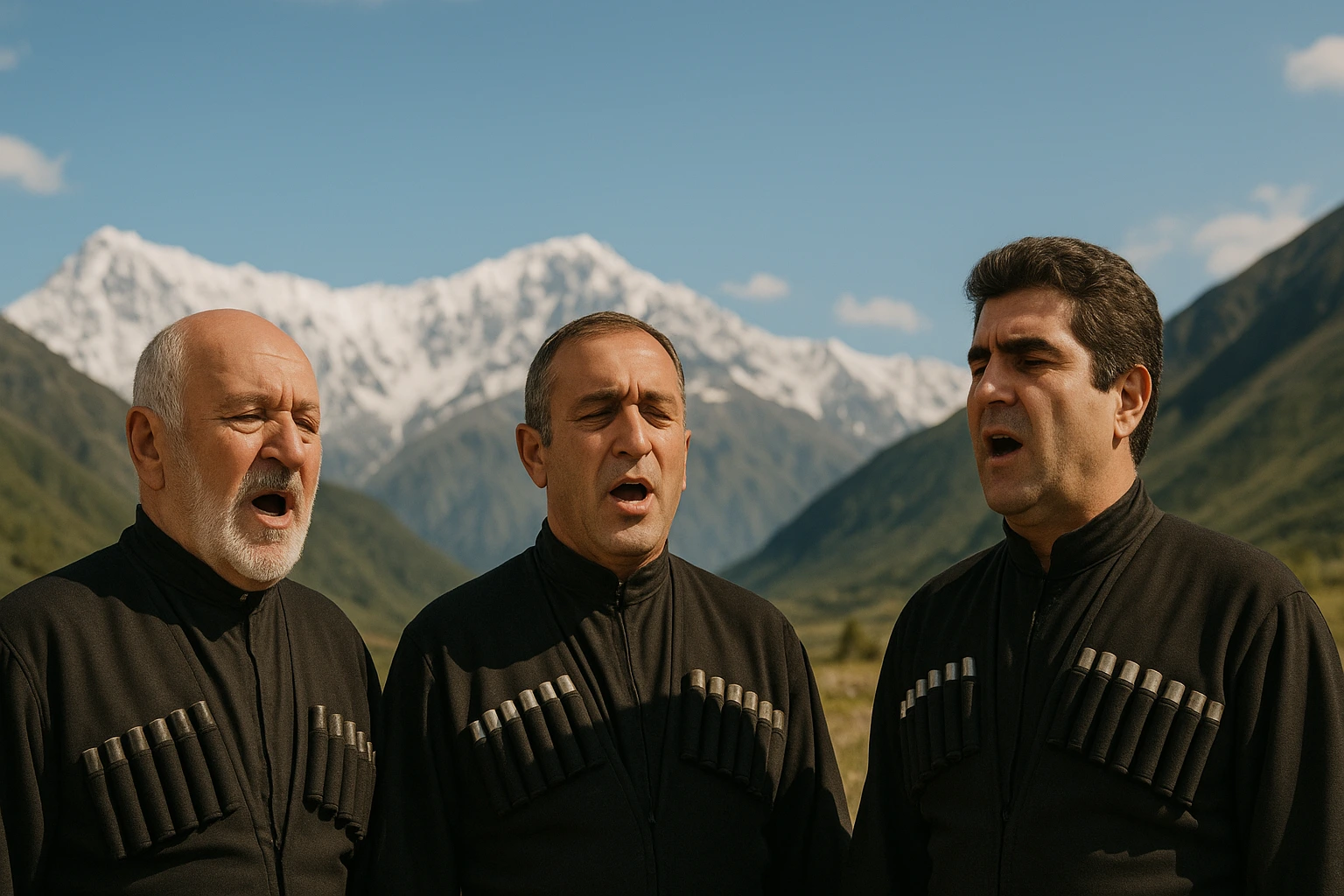
Georgian polyphonic singing represents one of the most distinctive and ancient musical traditions in the world, with roots that extend deep into the country's cultural and spiritual heritage. This unique form of vocal music, characterized by complex harmonies, intricate rhythms, and deep emotional expression, has been recognized by UNESCO as an Intangible Cultural Heritage and continues to play a vital role in Georgian cultural life. The tradition of polyphonic singing spans all regions of Georgia, with each area developing its own distinctive style and repertoire that reflects local cultural and environmental influences.
The origins of Georgian polyphonic singing can be traced back thousands of years, with archaeological evidence suggesting that this musical tradition predates the introduction of Christianity to Georgia. The earliest forms of polyphonic singing were likely connected to agricultural rituals, seasonal celebrations, and spiritual practices that acknowledged the importance of natural forces in human life. Over time, these musical traditions became integrated with Christian religious practices while maintaining their connection to seasonal and agricultural cycles.
The technical complexity of Georgian polyphonic singing lies in its unique harmonic structure, which differs significantly from Western musical traditions. Georgian polyphony typically features three distinct vocal parts: the bass (bass), the middle voice (bani), and the high voice (modzakhili). Each part has specific melodic and harmonic functions that combine to create the characteristic sound of Georgian polyphony. The bass provides the foundation with deep, resonant tones, while the middle voice carries the main melody, and the high voice adds ornamentation and harmonic complexity.
Regional variations in Georgian polyphonic singing reflect the country's diverse geography and cultural traditions. Kakheti, in eastern Georgia, is known for its powerful, resonant style with strong bass lines and dramatic harmonies. Svaneti, in the northwest, features a more ethereal, mystical style with complex harmonies and distinctive vocal techniques. Gurian polyphony, from western Georgia, is characterized by its fast tempo, intricate rhythms, and distinctive yodeling techniques. Each regional style reflects local cultural values, environmental conditions, and historical experiences.
The social and cultural functions of polyphonic singing in Georgian society extend far beyond mere entertainment. These songs serve as vehicles for transmitting cultural knowledge, maintaining social cohesion, and expressing collective identity. Work songs accompany agricultural activities, helping to coordinate labor and maintain rhythm during physically demanding tasks. Ritual songs mark important life events, from birth and marriage to death and mourning. Social songs provide opportunities for community gathering and cultural expression.
The spiritual and religious significance of polyphonic singing in Georgia is profound, with these musical traditions playing a central role in Orthodox Christian worship and spiritual practices. Many polyphonic songs are specifically composed for religious ceremonies and celebrations, with texts that reflect Orthodox theology and spiritual values. The acoustic properties of traditional Georgian churches, with their distinctive architecture and materials, are designed to enhance the sound of polyphonic singing and create a powerful spiritual experience.
The preservation and transmission of polyphonic singing traditions has faced significant challenges in recent decades, as social and economic changes have affected traditional ways of life. However, dedicated efforts by cultural organizations, educational institutions, and community groups have helped maintain and revitalize these traditions. Many schools and cultural centers now offer programs in polyphonic singing, ensuring that young Georgians can learn and appreciate this important cultural heritage.
The international recognition of Georgian polyphonic singing has helped raise awareness of this unique cultural tradition and create opportunities for cultural exchange and collaboration. Georgian choirs and ensembles regularly perform internationally, sharing this musical heritage with audiences around the world. International collaborations with musicians and researchers from other countries have helped document and preserve polyphonic singing traditions while creating new opportunities for cultural expression.
The contemporary evolution of Georgian polyphonic singing includes various efforts to adapt these traditional musical forms to modern contexts while maintaining their cultural authenticity. Contemporary composers and performers are creating new works that build on traditional polyphonic techniques while addressing modern themes and concerns. These efforts help ensure that polyphonic singing remains relevant and meaningful for contemporary Georgian society.
The educational and research aspects of Georgian polyphonic singing include various programs and initiatives aimed at understanding, preserving, and promoting this musical tradition. Research programs study the historical development, technical characteristics, and cultural significance of polyphonic singing. Educational programs help students learn the techniques and cultural context of polyphonic singing while developing appreciation for this important cultural heritage.
The economic and cultural value of polyphonic singing includes various benefits that this musical tradition provides to Georgian society and economy. Cultural tourism and performance opportunities create economic benefits for performers and communities. The international reputation of Georgian polyphonic singing helps promote Georgia's cultural heritage and create opportunities for cultural exchange and collaboration.
The future of Georgian polyphonic singing depends on continued efforts to preserve, promote, and develop this important cultural tradition. Educational programs, cultural events, and international collaborations will be essential for ensuring that polyphonic singing continues to thrive and evolve. The commitment of performers, educators, and cultural organizations to maintaining and developing this tradition will be crucial for its long-term survival and success.