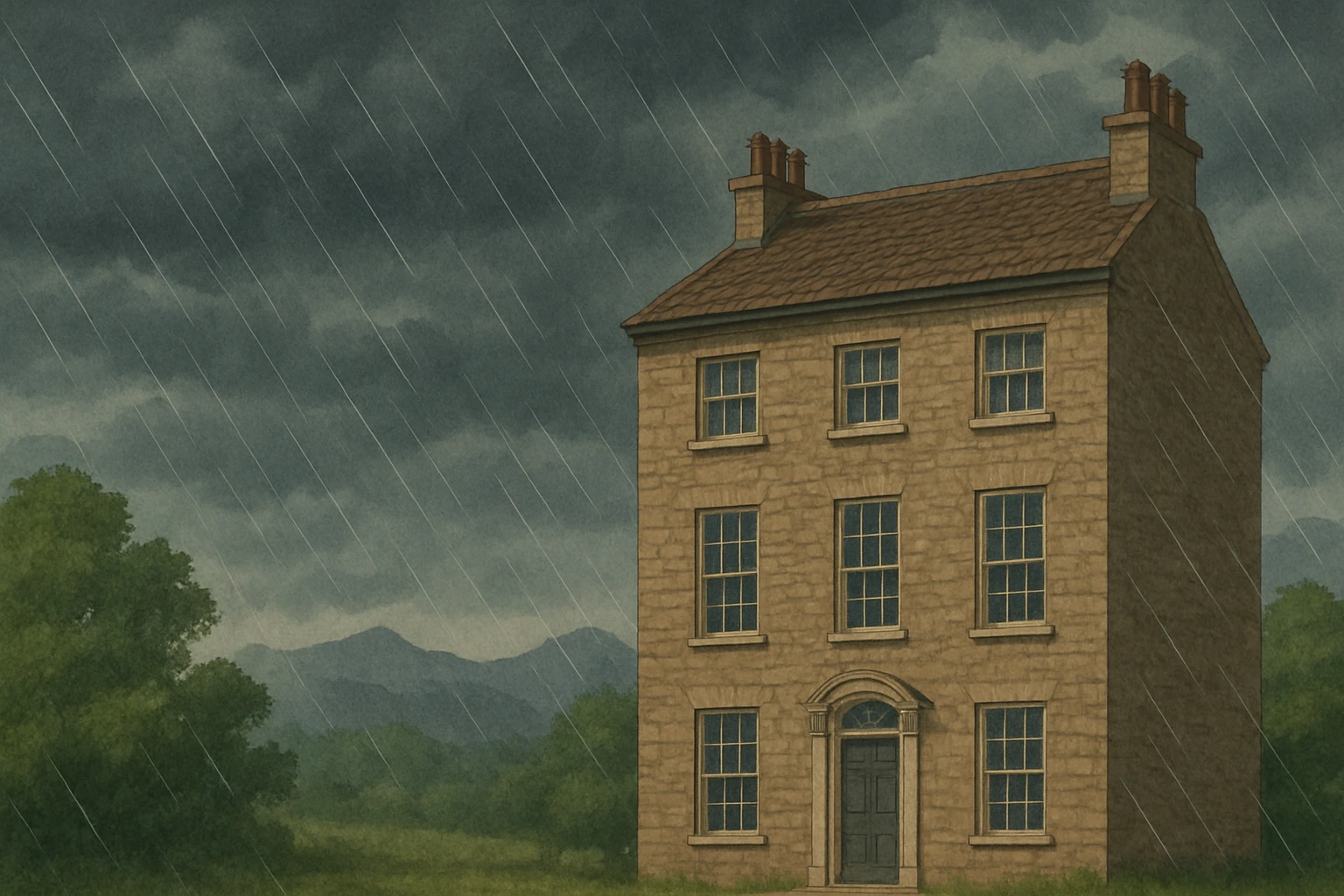
Georgia's rich architectural heritage reflects centuries of adaptation to local weather conditions and climate patterns, with traditional building techniques and modern innovations working together to create comfortable and sustainable living environments. Understanding how Georgian architecture responds to weather challenges helps appreciate the ingenuity of both historical and contemporary building practices. The diverse climate zones across Georgia have influenced architectural styles and building techniques that are uniquely suited to local conditions.
The historical development of Georgian architecture in response to weather conditions spans thousands of years, with early builders developing techniques to address the challenges of Georgia's diverse climate. Traditional building materials and techniques were chosen based on local weather patterns, with stone, wood, and clay being used in ways that provided protection from extreme temperatures, precipitation, and wind. These traditional approaches continue to influence modern architecture and provide valuable lessons for sustainable building practices.
Mountain architecture and weather adaptation includes various building techniques and styles that address the unique challenges of Georgia's mountain regions. Stone construction provides durability and thermal mass for temperature regulation in cold mountain climates. Sloped roofs and overhanging eaves protect buildings from heavy snowfall and rain. Thick walls and small windows help maintain comfortable interior temperatures despite extreme outdoor conditions.
Coastal architecture and maritime weather considerations include various building techniques and styles that address the challenges of Georgia's coastal climate. Elevated foundations and flood-resistant construction help protect buildings from storm surges and flooding. Corrosion-resistant materials and protective coatings address the challenges of salt air and high humidity. Ventilation systems and open floor plans help manage humidity and provide cooling during hot, humid summers.
Urban architecture and weather challenges in cities like Tbilisi include various approaches to addressing the unique weather challenges of urban environments. Building orientation and shading systems help manage solar heat gain during hot summers. Green roofs and urban vegetation help reduce urban heat island effects and improve air quality. Energy-efficient building systems help reduce energy consumption for heating and cooling.
Traditional building materials and their weather performance include various materials that have been used in Georgian architecture for their weather-resistant properties. Stone provides excellent thermal mass and durability for temperature regulation and weather protection. Wood offers natural insulation and flexibility for earthquake resistance. Clay and mud bricks provide good thermal properties and are readily available in many regions.
Modern building technologies and weather adaptation include various contemporary approaches to addressing weather challenges in Georgian architecture. Insulation systems help maintain comfortable interior temperatures while reducing energy consumption. Weather-resistant building envelopes protect structures from moisture, wind, and temperature extremes. Energy-efficient heating and cooling systems provide comfort while minimizing environmental impact.
Passive design strategies for weather adaptation include various architectural approaches that use natural processes to maintain comfortable interior conditions. Building orientation and window placement optimize solar gain and natural ventilation. Thermal mass materials help regulate temperature by absorbing and releasing heat. Natural ventilation systems provide cooling and air circulation without mechanical systems.
Energy efficiency and weather-responsive design include various strategies for minimizing energy consumption while maintaining comfort in various weather conditions. High-performance building envelopes reduce heat transfer and air infiltration. Energy-efficient mechanical systems provide heating and cooling with minimal energy consumption. Renewable energy systems, such as solar panels, help reduce reliance on conventional energy sources.
Climate change adaptation in Georgian architecture includes various strategies for addressing the challenges of changing weather patterns. Building codes and standards are being updated to address new weather challenges and energy efficiency requirements. Design approaches are incorporating flexibility to adapt to changing weather patterns. Materials and construction techniques are being selected for durability and resilience in changing conditions.
Cultural heritage and weather-responsive architecture includes various ways that traditional architectural practices reflect cultural values and weather adaptation strategies. Traditional building forms and techniques often incorporate cultural symbolism and practical weather adaptation. Preservation of traditional architecture helps maintain cultural heritage while providing examples of effective weather adaptation strategies. Modern interpretations of traditional styles can incorporate contemporary weather adaptation techniques.
Sustainable architecture and weather considerations include various approaches to creating environmentally responsible buildings that respond effectively to weather conditions. Green building materials and construction techniques reduce environmental impact while providing weather protection. Water management systems help conserve water and manage precipitation effectively. Waste reduction and recycling systems minimize environmental impact during construction and operation.
Disaster resilience and weather-resistant architecture includes various strategies for creating buildings that can withstand extreme weather events and natural disasters. Earthquake-resistant construction techniques are essential in Georgia's seismically active regions. Flood-resistant design helps protect buildings from water damage during heavy rainfall and flooding. Wind-resistant construction helps protect buildings from storm damage.
Community planning and weather-responsive design includes various approaches to creating communities that work well with local weather conditions. Site planning and building placement can optimize solar access and natural ventilation. Green infrastructure and landscaping help manage precipitation and provide environmental benefits. Transportation and infrastructure planning can reduce weather-related disruptions and improve accessibility.
Technology and innovation in weather-responsive architecture includes various tools and techniques that help create buildings that respond effectively to weather conditions. Building information modeling and simulation tools help optimize building performance in various weather conditions. Smart building systems can automatically adjust to changing weather conditions to maintain comfort and efficiency. Monitoring and control systems help building operators optimize performance and respond to weather-related challenges.
The future of Georgian architecture and weather adaptation includes various trends and developments that are likely to shape building practices in coming years. Continued climate change will create new challenges and opportunities for weather-responsive design. Advances in building technology and materials will provide new options for addressing weather challenges. Changes in building codes and standards will reflect new requirements for energy efficiency and weather resilience.
Economic considerations in weather-responsive architecture include various costs and benefits associated with weather-adaptive building practices. Initial construction costs may be higher for weather-responsive features, but long-term benefits often outweigh these costs. Energy savings and reduced maintenance costs can provide significant economic benefits over the life of a building. Insurance and risk management considerations may favor weather-resistant construction.
Education and training in weather-responsive architecture includes various programs and initiatives aimed at developing expertise in weather-adaptive building practices. Educational programs help architects, engineers, and builders understand weather challenges and adaptation strategies. Training programs provide practical skills for implementing weather-responsive design and construction techniques. Research programs help develop new approaches to weather adaptation in architecture.
International collaboration and knowledge sharing in weather-responsive architecture includes various partnerships and programs that help Georgia benefit from international expertise and experience. Collaboration with international organizations provides access to advanced technology and best practices. Knowledge exchange programs help Georgian professionals learn from experiences in other countries with similar climate challenges. Research partnerships help develop new approaches to weather adaptation that can benefit multiple countries.
The role of government and policy in weather-responsive architecture includes various programs and initiatives that support weather-adaptive building practices. Building codes and standards help ensure that new construction addresses weather challenges effectively. Incentive programs can encourage the adoption of weather-responsive design and construction techniques. Research and development programs help advance weather adaptation technology and practices.