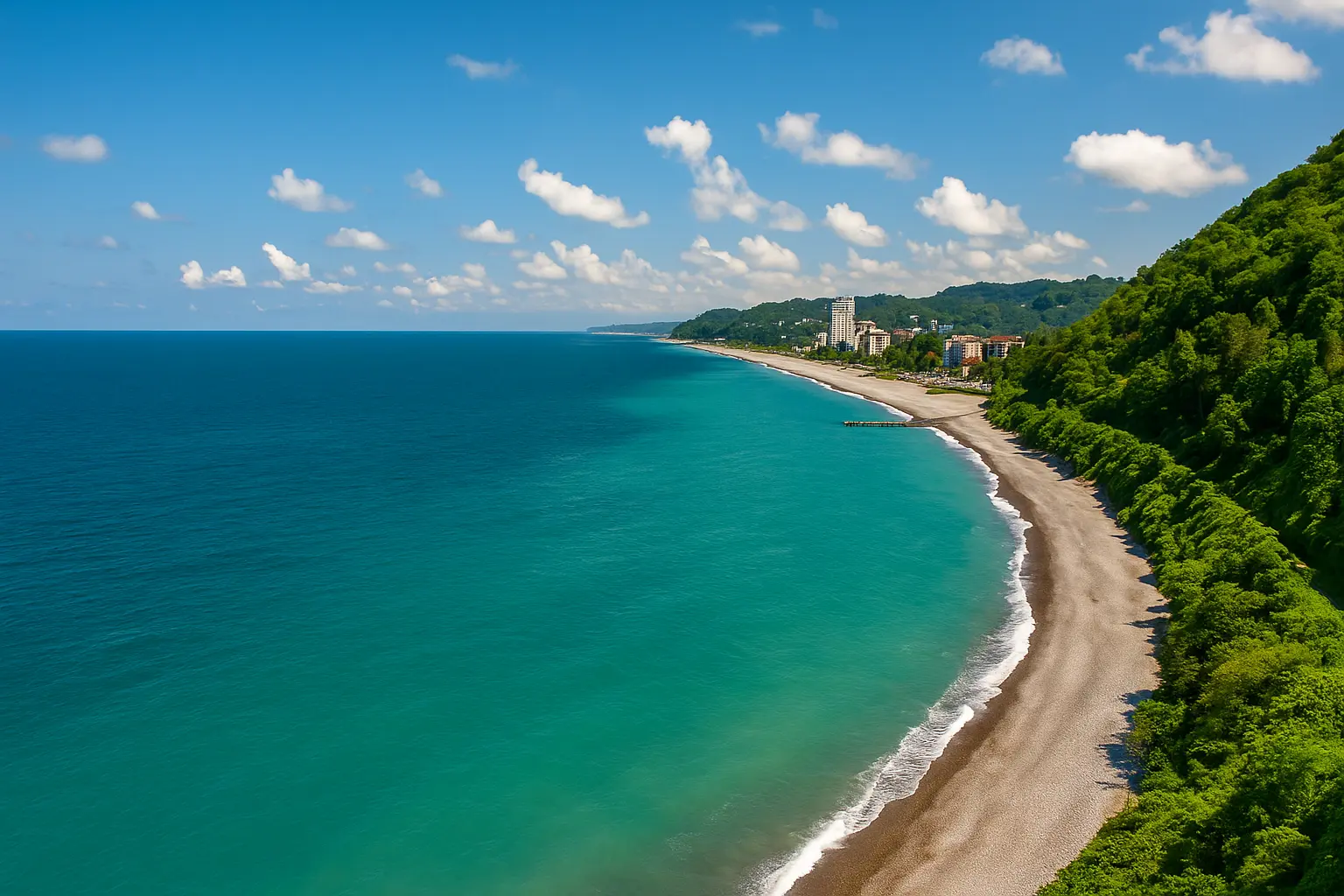
Georgia's Black Sea coastline, stretching for over 300 kilometers along the country's western border, offers visitors a unique blend of natural beauty, cultural heritage, and modern amenities that create an unforgettable coastal experience. From the vibrant city of Batumi with its modern architecture and bustling beaches to the pristine wilderness of protected coastal areas, Georgia's Black Sea Riviera provides diverse opportunities for relaxation, adventure, and cultural exploration. The region's subtropical climate, rich biodiversity, and fascinating history make it an increasingly popular destination for both domestic and international travelers seeking to experience the best of Georgia's coastal heritage.
Batumi, the capital of the Adjara region and Georgia's premier coastal destination, serves as the gateway to the country's Black Sea tourism experience. This dynamic city has undergone remarkable transformation in recent decades, evolving from a quiet provincial town into a modern, cosmopolitan destination that successfully blends historical charm with contemporary sophistication. The city's famous boulevard, stretching for 7 kilometers along the coast, provides the perfect setting for leisurely strolls, outdoor activities, and people-watching, while the nearby beaches offer opportunities for swimming, sunbathing, and water sports.
The architectural landscape of Batumi reflects the city's complex history and modern aspirations, with buildings ranging from elegant 19th-century mansions to cutting-edge contemporary structures. The city's skyline is dominated by innovative architectural projects such as the Alphabet Tower, the Batumi Tower, and the Chacha Tower, which have become iconic symbols of Georgia's modernization and international integration. These architectural landmarks, combined with the city's historic Old Town and traditional neighborhoods, create a fascinating urban environment that rewards exploration and discovery.
The natural environment of Georgia's Black Sea coast is characterized by diverse ecosystems that support rich biodiversity and provide numerous opportunities for nature-based tourism. The coastal region includes various habitats such as sandy beaches, rocky shores, wetlands, and forested areas, each supporting different species of plants and animals. The Kolkheti National Park, located near the coastal city of Poti, protects important wetland ecosystems and provides opportunities for bird watching, nature photography, and environmental education.
The climate of Georgia's Black Sea coast is one of its most attractive features, with mild winters and warm summers that create ideal conditions for year-round tourism. The region's subtropical climate, influenced by the Black Sea and the nearby mountains, provides comfortable temperatures and adequate rainfall that support lush vegetation and agricultural activities. This favorable climate has made the region an important center for agriculture, particularly for the cultivation of citrus fruits, tea, and other subtropical crops that contribute to the local economy and culinary traditions.
The cultural heritage of Georgia's Black Sea coast reflects the region's strategic location at the crossroads of Europe and Asia, with influences from various civilizations and cultures throughout history. The region has been inhabited by various peoples including Colchians, Greeks, Romans, Byzantines, Ottomans, and Russians, each leaving their mark on the local culture, architecture, and traditions. This rich cultural heritage is evident in the region's archaeological sites, historical monuments, and traditional practices that continue to be celebrated and preserved.
The culinary traditions of Georgia's Black Sea coast are particularly distinctive, reflecting the region's unique climate, agricultural resources, and cultural influences. Coastal cuisine emphasizes fresh seafood, locally grown vegetables and fruits, and traditional Georgian dishes adapted to local tastes and ingredients. The region is famous for its fish dishes, particularly trout and sturgeon, as well as its unique varieties of cheese, wine, and other traditional products. Local restaurants and markets provide opportunities to sample authentic coastal cuisine and learn about traditional cooking methods and ingredients.
The development of tourism infrastructure along Georgia's Black Sea coast has been impressive in recent years, with significant investments in accommodation, transportation, and recreational facilities. The region now offers a wide range of accommodation options, from luxury hotels and resorts to budget-friendly guesthouses and camping facilities. Transportation infrastructure has been improved with better roads, public transportation, and international connections, making the region more accessible to visitors from around the world.
The recreational opportunities available along Georgia's Black Sea coast are diverse and cater to various interests and preferences. Beach activities include swimming, sunbathing, beach volleyball, and water sports such as jet skiing, parasailing, and windsurfing. The region's natural areas provide opportunities for hiking, bird watching, photography, and other outdoor activities. Cultural activities include visiting historical sites, museums, and cultural events, as well as participating in traditional festivals and celebrations.
The economic impact of coastal tourism in Georgia extends beyond the immediate tourism sector, supporting various related industries and providing employment opportunities for local communities. The tourism industry creates jobs in accommodation, food service, transportation, retail, and other service sectors, while also supporting local agriculture, handicrafts, and cultural activities. This economic diversification helps reduce dependence on traditional economic activities and provides more stable income sources for coastal communities.
The environmental challenges facing Georgia's Black Sea coast include various issues related to coastal development, pollution, and climate change that require careful management and sustainable development practices. Coastal erosion, water pollution, and habitat destruction are significant concerns that affect both the natural environment and tourism development. Efforts to address these challenges include environmental protection measures, sustainable tourism practices, and community-based conservation initiatives.
The future development of Georgia's Black Sea coast will likely focus on sustainable tourism practices that balance economic development with environmental protection and cultural preservation. Potential developments include the expansion of eco-tourism opportunities, the improvement of environmental protection measures, and the development of new tourism products and services that highlight the region's unique natural and cultural heritage. These developments will need to be carefully managed to ensure that they benefit local communities while preserving the region's unique character and natural resources.
The international recognition and appeal of Georgia's Black Sea coast as a tourism destination continues to grow, with visitors from around the world seeking to experience the region's unique combination of natural beauty, cultural heritage, and modern amenities. This international interest creates opportunities for cultural exchange, economic development, and the promotion of Georgia's coastal heritage on the global stage. The region's growing reputation as a tourism destination helps position Georgia as a competitive player in the international tourism market.
The educational and research opportunities provided by Georgia's Black Sea coast include various programs and initiatives that help visitors learn about the region's natural and cultural heritage. Educational programs focus on topics such as marine ecology, coastal geology, cultural history, and sustainable tourism practices. Research programs study various aspects of the region's natural and cultural heritage, contributing to scientific knowledge and conservation efforts.
The community involvement and benefits from coastal tourism in Georgia are significant, with local communities playing active roles in tourism development and management. Community-based tourism initiatives provide opportunities for local people to participate in and benefit from tourism activities while maintaining control over how their cultural and natural resources are used. These initiatives help ensure that tourism benefits are distributed fairly and that local communities have a voice in tourism development decisions.