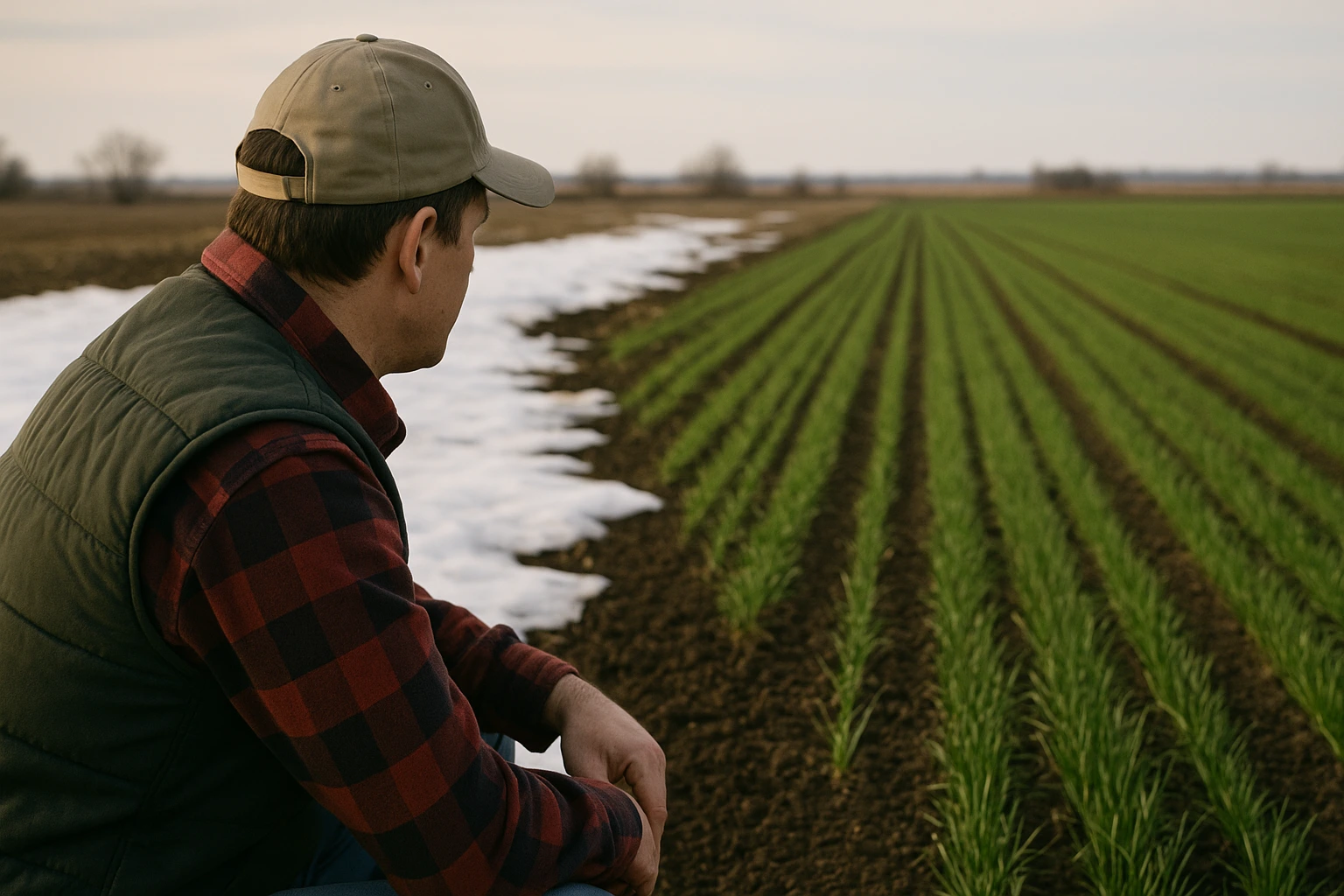
Georgia's agricultural sector is facing unprecedented challenges due to the unusually warm winter weather that has disrupted traditional farming cycles and forced farmers to reconsider their entire approach to crop planning and management. Farmers across the country are reporting early blooming of fruit trees and premature growth of winter crops, which could have significant implications for this year's harvest and the overall agricultural economy. The warm weather has created a complex situation where traditional farming knowledge and practices may no longer be sufficient to ensure successful crop production.
The warm weather has affected various agricultural activities in ways that require immediate attention and adaptation. Fruit trees are blooming 2-3 weeks earlier than usual, which could make them vulnerable to late frost events that may still occur in the coming weeks. This early blooming is particularly concerning for Georgia's famous fruit varieties, including peaches, cherries, and apples, which are important both for domestic consumption and export markets. The premature growth of winter wheat and other winter crops is also problematic, as these crops may not develop properly if cold weather returns.
Increased pest activity due to mild temperatures is another significant concern for farmers. Many agricultural pests that would normally be dormant during winter months are remaining active, potentially causing damage to crops and requiring additional pest management measures. This increased pest pressure could lead to higher production costs and reduced crop yields if not properly managed. The reduced chilling hours for certain fruit varieties is particularly problematic, as many fruit trees require a specific number of cold hours to break dormancy and produce healthy fruit.
Agricultural experts are advising farmers to take immediate action to address these challenges. The first priority is to monitor weather forecasts closely and adjust planting schedules accordingly. This may involve delaying some plantings or choosing alternative crop varieties that are more suitable for the current weather conditions. Farmers are also being advised to consider crop insurance for weather-related risks, as the unusual weather patterns increase the likelihood of crop losses and reduced yields.
The Ministry of Agriculture has established a comprehensive support system for farmers dealing with weather-related challenges. A dedicated hotline has been set up for farmers seeking advice on weather-related agricultural decisions, with agricultural extension specialists available to provide guidance on adapting farming practices to changing weather patterns. The ministry has also developed educational materials and training programs to help farmers understand and respond to the challenges posed by changing weather conditions.
Climate scientists note that such early spring conditions are becoming more common and may require long-term adaptation strategies for Georgia's agricultural sector. Research is ongoing to develop crop varieties that are more resilient to changing weather patterns and to identify farming practices that can help mitigate the impacts of climate change. This research includes studies of drought-resistant crop varieties, improved irrigation techniques, and alternative farming methods that may be more suitable for changing climate conditions.
The economic implications of these weather-related challenges are significant, as agriculture remains an important sector of Georgia's economy. Reduced crop yields could lead to higher food prices and reduced export earnings, while increased production costs could make farming less profitable for many producers. The government is working to develop support programs for farmers affected by weather-related losses, including financial assistance and technical support for implementing adaptation measures.
Despite the challenges, some farmers are finding opportunities in the changing weather patterns. Early season crops may be able to reach markets before competitors, potentially commanding higher prices. Some farmers are experimenting with new crop varieties and farming techniques that may be better suited to the changing climate. These innovations could help Georgia's agricultural sector become more resilient and competitive in the face of climate change.
The situation has also highlighted the importance of agricultural research and development in Georgia. Increased investment in agricultural research could help develop new crop varieties and farming techniques that are better adapted to changing weather patterns. This research could also help identify new market opportunities and improve the overall competitiveness of Georgia's agricultural sector in international markets.